Showing posts with label Evaluation. Show all posts
Showing posts with label Evaluation. Show all posts
Friday, 11 April 2014

Evaluation Question 5
Evaluation Question 5 (Flickr link)


Image 5 text says: I used some of the conventions of other successful indie magazines, including a simple layout for each page, and pictures that are typical of my genre (angles, filters, backgrounds).
A way I aimed to attract and appeal to my audience was by deliberately not including features that would make my magazine seem over-commercialised, as if it is trying too hard to sell itself to the viewer. Adding familiar symbols of social networks and writing 'Follow us on Twitter!!!' would have done this, so instead I only included the magazine's website address in the bottom corner of each page, branding each page without demanding attention from readers on social networks. I did this in hopes that it would make my magazine seem refreshing, and not 'just another music magazine', full of clichés etc.
I think my language use would also appeal to my young audience. My language register is informal, which naturally makes it more entertaining so they would enjoy reading it more than other magazines of the same genre. It also creates a more friendly tone. I have used colloquialisms and slang to further appeal to my intended audience as they are language features commonly associated with being included in their sociolect.
Evaluation Question 4
EVALUATION ACTIVITY 4
Who would be the audience for your media product?
Information on my target audience:
UK Tribes Prediction Of My Target Audience
'Indie Scensters'
Brands


Media


This Tribe are major players, and they know it. Oozing confidence, bordering on arrogance, they are obvious and unapologetic about their passion for living in the moment; unconcerned with anything but listening to their iPods and getting drunk...
From UK Tribes: Spotting Indie Scenesters- https://www.uktribes.com/articles/spotting-indie-scenesters
To conclude... (Note: This is a generalisation)
Original post can be found here.
A profile of an example person who would buy my magazine:
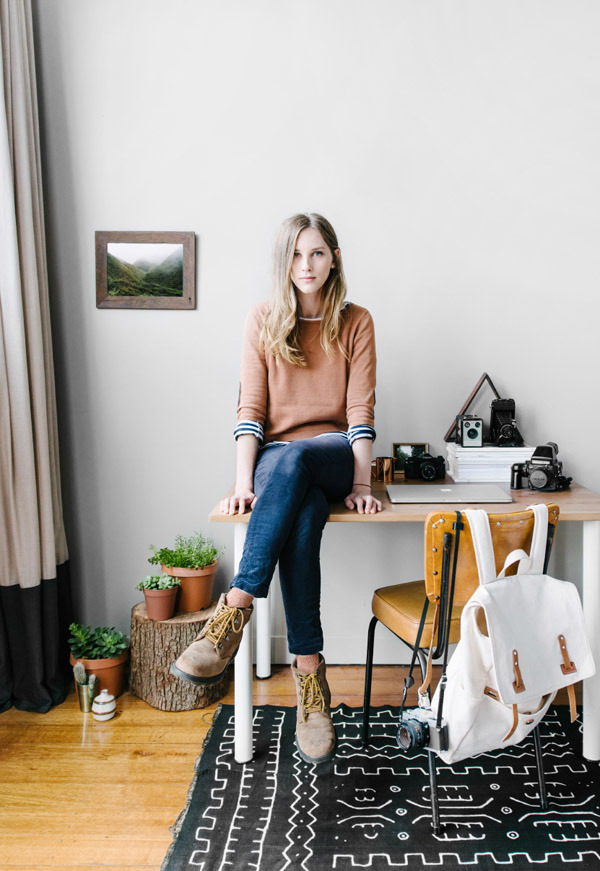
Name: Jess Adams
Age: 18
Interests: Music, art and photography, blogging, going to concerts with friends.
Brands they like: Converse, Vans,The Quietus, Soundcloud, BB Records, Cheap Monday, The Stool Pigeon, Rough Trade.
Magazine habits: She currently reads The Stool Pigeon and The Wire. She can afford The Wire's price of £4.50 because it is monthly, not weekly, otherwise she would not have enough disposable income.
Occupation: She works in clothing retail which provides her with some extra money that she can us to purchase magazines. She is a full-time art student so some of her money goes to supplies.
Fashion: She likes to wear skinny jeans with a pair of Converse or boots. She has a large selection of checked shirts and knitted jumpers that look like they belong to her granddad. She likes to complete her outfits with a hat from her collection. Her favourite shirt is a Victorian blouse.
UK Tribe: Indie Scenester.
Image: http://thedesignfiles.net/2013/10/new-kids-on-the-blog-brooke-holm/
Original post can be found here.
Who would be the audience for your media product?
Information on my target audience:
Audience Research
UK Tribes Prediction Of My Target Audience
'Indie Scensters'
"Spending hours trawling through records, Indie Scenesters have their fingers on the pulse on the current artists du jour…
Indie Scenesters are dedicated to finding the newest music, exploring all avenues to get there – online, print, record shops, club nights and word of mouth. Staying ahead of the curve is a must, but it’s borne out of a genuine love for music – and this is what separates them from those more fickle dabblers and dilettantes, the Hipsters. For Indie Scenesters, there’s nothing better than discovering new artists and spreading the love.
Guitar music has seen its cool usurped by the rise in electronic-synth based music in recent years, and Indie Scenesters have broadened their musical tastes as a result. It’s no longer just about indie rock bands like Vampire Weekend – Indie Scenesters have embraced experimental, genre-blending artists like Four Tet. Yet, the Indie Scenester approach remains the same – it’s about championing independent artists rather than a specific genre, especially before the masses get in on the act.
Potentially having their own music blogs and club nights (or at least dreaming of it), Indie Scenesters are more concerned with building up their vinyl collections than conspicuous consumerism. The sounds of the moment are ever changing, but currently include Youth Lagoon, Beach House, Animal Collective, Kendrick Lamar and John Talabot, as well as old favourites like Caribou and Thom Yorke.
Boys and girls are rocking similar looks – skinny jeans, vintage and Converse/Vans. Their high street staples focus around the functional and unisex – Uniqlo, Cheap Mondays and American Apparel".
Taken from UK Tribes- http://www.uktribes.com/tribes/indie-scenesters
Brands


Media


Spotting Indie Scenesters
Influenced by using ‘music as a fashion accessory’ this Tribe are motivated by being ahead of the curve (and their rival Leading Edge Tribes) on all the latest trends. This makes Indie Scenesters unpredictable, as fashion in every sense of the word becomes recyclable in this Tribe. True Indie Scenesters aren’t obsessed with brands in the conventional sense–well maybe a few (including Converse, Rough Trade and Vans) but they’re fashion leaders rather than followers, wearing anything from plain dark jeans and a V-neck one day to bright neons the next.
And in authentic Indie Scenester spirit they have a tendency to follow only a handful of bands at once. This is not to say the Tribe would abandon their Indie Scenester influences if a band made it to the big time, but they continually reinvent the Tribe by embracing new music and sacrificing appearance for small, sweaty, intimate venues where the best music originates.
They enjoy mainstream festivals, but opt for smaller gigs (mud baths) rather than those offering VIP tickets and hair straightening facilities. You will most likely find them rocking to new sounds at the intimate Shambala Festival in Northamptonshire, Symmetry Festival in Peterborough or Field Day at Victoria Park in London. This Tribe are dedicated to their musical roots and unmoved by the rise to success; even if they treat music magazine NME like the Holy Grail.
Inspired by fresh, unsigned acts, this Tribes presence is felt everywhere. Online communities such as drownedinsound.com pave the way for discussion and discovery outside the conventional top 40 and Indie Scenesters are not afraid to be heard. Many write opinionated blogs representing contemporary elements of a temporary scene. They stand united and they stand out. Read at your peril.
From UK Tribes: Spotting Indie Scenesters- https://www.uktribes.com/articles/spotting-indie-scenesters
To conclude... (Note: This is a generalisation)
My target audience will be aged between 17 and 25 years. Their hobbies will most likely include going to music festivals, keeping a blog, finding new music from unsigned artists, drinking, and spending a considerable amount of time immersing themselves in music. They will maybe see themselves as a creative individual, with something about them that makes them distinguished from other people; a special snowflake. My magazine will be for both a male and female audience so I must ensure it will appeal to both genders. They are young adults who relish anything out of the ordinary, so they will want to read a refreshing magazine, dissimilar to others currently on the market and that is capable of offering them something new.
In terms of music taste, they will listen to a range of artists, from Vampire Weekend to Kendrick Lamar. They will search anywhere and everywhere to discover the latest artists, then will report their findings to other alternative music lovers. As their musical tastes are broadening all the time, experimental, genre blending and synth based music is becoming increasingly popular with my target audience. As 'Indie Scenesters', my audience's passion for music makes them an ideal target group for a music magazine- they will be more likely to buy music magazines than some other target audiences.
My audience will tend to have part-time jobs, probably in the public sector, though they dream of a music-related career. Being employed means they will presumably have enough disposable income to buy magazines with. This audience's preferred music magazines at the moment will be The Wire, Loud and Quiet, Wax Poetics.
When it comes to fashion, my audience will wear items from independent clothing companies or pieces that you will not see anybody else wearing. While indie is quite a niche genre, some of the audience will wear clothes that are stereotypical indie clothes, popular among many people who wish to stand out from the crowd, yet blend in because so many people are wearing these 'so indie it is no longer indie' clothes.
Vintage items will surely make an appearance in an indie scenester's wardrobe, along with waistcoats, band t-shirts, ties, often checked shirts with knitted jumpers, but clothing that could be considered 'wacky' may also feature. There will be a pair of Converse shoes in there somewhere. The fashion is very versatile; from smart outfits (an unusual shirt and skinny jeans that look somewhat formal), to clothing that could get you mistaken for a homeless person.
Original post can be found here.
A profile of an example person who would buy my magazine:
Audience Profile
Name: Jess Adams
Age: 18
Interests: Music, art and photography, blogging, going to concerts with friends.
Brands they like: Converse, Vans,The Quietus, Soundcloud, BB Records, Cheap Monday, The Stool Pigeon, Rough Trade.
Magazine habits: She currently reads The Stool Pigeon and The Wire. She can afford The Wire's price of £4.50 because it is monthly, not weekly, otherwise she would not have enough disposable income.
Occupation: She works in clothing retail which provides her with some extra money that she can us to purchase magazines. She is a full-time art student so some of her money goes to supplies.
Fashion: She likes to wear skinny jeans with a pair of Converse or boots. She has a large selection of checked shirts and knitted jumpers that look like they belong to her granddad. She likes to complete her outfits with a hat from her collection. Her favourite shirt is a Victorian blouse.
UK Tribe: Indie Scenester.
Image: http://thedesignfiles.net/2013/10/new-kids-on-the-blog-brooke-holm/
Original post can be found here.
Evaluation Question 3
EVALUATION ACTIVITY 3
What kind of media institution might distribute your media product and why?
Original post can be found here.
I have chosen not to change my choices as they fit my genre and it would be more likely for my magazine to be successful this way. As my magazine would have a very niche market, institutions (Bauer group etc.) would not be likely to even consider distributing my magazine because it will not be worth their while and would cost more that it would make. However, if my magazine is independently distributed, all costs will be accounted and budgeted for, so my magazine would be successful and make a profit. All aspects would be planned out carefully and my magazine would have no loyalties with any other company, no contracts and all control over the company will remain intact.
Money could be raised by advertisements within the magazine, but would have to be appropriate for the magazine and they should, on some level, appeal to my target audience.
Loud and quiet and The Wire use this method of raising finance.
The price of my magazine will also cover the costs of making it. The Wire magazine uses its price as a way of earning profit, while The Fly relies only on advertisements for funding.
What kind of media institution might distribute your media product and why?
Institution Who Would Publish My Magazine
After researching which institutions publish the indie magazines that are be similar to the one I intend to make, I have found that most of them are self-published (The Wire etc.). By self-publishing, my magazine would conform to the original meaning of indie, which is to be independent, not relying on outside help.
If I was going to self-publish but needed support, an institution that would support a magazine like mine would be MAMA and Company.
MAMA was founded in 2005 and has since become the world's leading independent live music business.
It operates internationally, so my magazine would have the possibility of reaching a wider audience.
Their network of business seeks to create, source and manage music and entertainment content. They then distribute it through festivals, venues, tech platforms and publications, so MAMA is ideal for building and developing my audience.
Their support services business would assist the more commercial side of my magazine, such as providing venues for magazine features, as they currently do for 'The Fly' magazine, which is similar to my own intended style.
MAMA website: http://www.mamaco.com/
If I was going to self-publish but needed support, an institution that would support a magazine like mine would be MAMA and Company.
MAMA was founded in 2005 and has since become the world's leading independent live music business.
It operates internationally, so my magazine would have the possibility of reaching a wider audience.
Their network of business seeks to create, source and manage music and entertainment content. They then distribute it through festivals, venues, tech platforms and publications, so MAMA is ideal for building and developing my audience.
Their support services business would assist the more commercial side of my magazine, such as providing venues for magazine features, as they currently do for 'The Fly' magazine, which is similar to my own intended style.
MAMA website: http://www.mamaco.com/
Original post can be found here.
I have chosen not to change my choices as they fit my genre and it would be more likely for my magazine to be successful this way. As my magazine would have a very niche market, institutions (Bauer group etc.) would not be likely to even consider distributing my magazine because it will not be worth their while and would cost more that it would make. However, if my magazine is independently distributed, all costs will be accounted and budgeted for, so my magazine would be successful and make a profit. All aspects would be planned out carefully and my magazine would have no loyalties with any other company, no contracts and all control over the company will remain intact.
Money could be raised by advertisements within the magazine, but would have to be appropriate for the magazine and they should, on some level, appeal to my target audience.
Loud and quiet and The Wire use this method of raising finance.
The price of my magazine will also cover the costs of making it. The Wire magazine uses its price as a way of earning profit, while The Fly relies only on advertisements for funding.
Evaluation Question 1
Evaluation Question 1 (Tumblr link)
Evaluation Question 1
In what ways does your media product use, develop or challenge forms and conventions of real media products? (i.e. of music magazines)


My magazine follows the conventions of magazines by including the key features which indicate that it is in fact a magazine. This includes the barcode, price, bold, capitalised font used for the masthead at the top of the cover, issue number, and date.
The title of my magazine is phonologically similar to the tile of the Wire in that is is a simple, monosyllabic word which relates to music.
Like other indie magazines (the Wire, Loud and Quiet, The Fly), my page layouts are simple and clean looking; lots of negative/white space with little text cluttering the page.
My images of my artist reflect my genre. The clothing, backgrounds, filters and poses I have used in my images of my artist conform to the conventions of typical ‘indie’ photography, which can be found here. I used the same type of camera angles as other indie magazines (close up), and I did not frame any of my images because most other magazines of my genre do not.
The layout of my article is typical of others of my genre, with columns and a plain background. I included the following to indicate that the interview on my double page spread is a feature within the magazine:
Loud and Quiet magazine is one of many magazines of my genre which also does this:
My colour scheme is also typical of indie magazines; greyscale with the colour of the pictures.
However, I have deviated from the music magazine conventions through my methods of presentation.
The size of my issue number, barcode, date, artist name and price are unconventionally large to make my magazine all the more ‘indie’. My language register is informal to appeal more to my target audience than the formal register that a lot of indie magazines use e.g. the Wire.
Evaluation Question 7 draft
EVALUATION ACTIVITY 7
Looking back at your preliminary task (the school magazine task), what do you feel you have learnt in the progression from it to full product?


In the progression from my school magazine to my music magazine, I feel I have learnt a lot, particularly about my genre and the technologies I used to create my product.
On my preliminary task (the school magazine), I did not consider a lot of vital elements that a successful magazine requires. I did not research a particular genre and try to recreate it, nor did I consider how to make my magazine appeal to a particular target audience.
I focused on what all magazines had in common, not a particular sub-genre, such as 'indie'.
I have learnt how important research and planning is for producing a product such as this.
My final magazine has used a great deal of research and planning in order to become a realistic representation of an indie music magazine.
I researched what my artist should wear to appear to be an artist of my genre and styled them accordingly. This is something I did not do for my preliminary task.I researched what photographs of indie artists had in common. This allowed me to recreate the style for my own photographs, using what I had leant about backgrounds, poses, shot types (medium close up to close up), filters and flash to make my photographs look more professional and representative of my genre. By doing this, I improved the quality and mood of my photographs too.
My contents page of my preliminary task was very basic and the types of images or text featured on the page was not considered at all. On my final contents page, the layout, images, text to appeal to my target audience, and branding have all been thought about carefully. It looks like a real magazine while avoiding not just the typical conventions, but clichés, so my magazine is clearly a product of its genre.
My music magazine title is more sophisticated than my school magazine title; it is subtle but still relevant. I capitalised the masthead, removing any ascenders/descenders, wasting less space and making my cover appeal neater. I would not have thought about this before as I had not covered magazine terms and what they mean.
My music magazine looks far more appealing than my prelim in terms of design and layout, so it would likely be popular with my target audience.
I have learnt a lot about how magazine companies work, distribute, raise finance etc. and what they must include in order to be successful, which I believe my magazine would be if it were a real publication, unlike my preliminary school magazine task.
Looking back at your preliminary task (the school magazine task), what do you feel you have learnt in the progression from it to full product?
In the progression from my school magazine to my music magazine, I feel I have learnt a lot, particularly about my genre and the technologies I used to create my product.
On my preliminary task (the school magazine), I did not consider a lot of vital elements that a successful magazine requires. I did not research a particular genre and try to recreate it, nor did I consider how to make my magazine appeal to a particular target audience.
I focused on what all magazines had in common, not a particular sub-genre, such as 'indie'.
I have learnt how important research and planning is for producing a product such as this.
My final magazine has used a great deal of research and planning in order to become a realistic representation of an indie music magazine.
I researched what my artist should wear to appear to be an artist of my genre and styled them accordingly. This is something I did not do for my preliminary task.I researched what photographs of indie artists had in common. This allowed me to recreate the style for my own photographs, using what I had leant about backgrounds, poses, shot types (medium close up to close up), filters and flash to make my photographs look more professional and representative of my genre. By doing this, I improved the quality and mood of my photographs too.
My contents page of my preliminary task was very basic and the types of images or text featured on the page was not considered at all. On my final contents page, the layout, images, text to appeal to my target audience, and branding have all been thought about carefully. It looks like a real magazine while avoiding not just the typical conventions, but clichés, so my magazine is clearly a product of its genre.
My music magazine title is more sophisticated than my school magazine title; it is subtle but still relevant. I capitalised the masthead, removing any ascenders/descenders, wasting less space and making my cover appeal neater. I would not have thought about this before as I had not covered magazine terms and what they mean.
My music magazine looks far more appealing than my prelim in terms of design and layout, so it would likely be popular with my target audience.
I have learnt a lot about how magazine companies work, distribute, raise finance etc. and what they must include in order to be successful, which I believe my magazine would be if it were a real publication, unlike my preliminary school magazine task.
Evaluation Question 6 draft
EVALUATION ACTIVITY 6
What have you learnt about technologies from the process of constructing this product?
 Computers: I used computers for most of my music magazine coursework; constructing my magazine, but also storing my research and planning. I looked at other resources such as magazines for inspiration, but aside from that, all of my work was created using a computer. The school computers were available most of the time, allowing me to access many resources for free.
 Camera- COOLPIX P510: This is my personal camera that I decided to use as I already know how to use it well and I know that the quality of the pictures is high. I chose to use this over the cameras available for use at school as I am unfamiliar with these and I would be limited to the backgrounds I could use, when I needed specific backgrounds for my photos to fit my genre. I also used filters and flash to recreate effects used in photos typical of my genre.
 Internet: The internet was essential for my research and planning. I used Google Chrome to conduct my research and planning, collecting images and information so that my magazine would be realistic as I could mimic the styles of similar magazines I found online. I researched photographers, graphic designers and distribution institutions on the internet as well.
 Blogger: This allowed me to display my work for anyone with access to the program to see. It has helped me to document all of my coursework, displaying each stage in the order it occurs. Before starting my media course, I had never used Blogger before, but I soon learnt how to use it due to how straightforward it is. It is easy to track all of my work and features such as 'tags' allow specific items to be found without trawling through my whole blog.
 Photoshop: Photoshop is the editing software I used to create my cover, contents and double page spread. I have used Photoshop in the past, but my skills were very limited. I have learned a great deal about how to use the program, including how to create text boxes to the size required and how to edit the brightness, contrast etc. of pictures. Familiarising myself with Photoshop allowed me to improve the overall quality of my work.
 Word: I used Microsoft Word to type out my article so that any spelling mistakes could be corrected before I pasted it into my text boxes on Photoshop. Word allowed me to clearly see the whole of my text so I could easily see what needed editing before my article was transferred to Photoshop.
 Paint: I used Microsoft Paint to printscreen a lot of my work so that it could be presented in different formats. I use this software frequently so using it for my coursework was quick and easy.
 Animoto: I used Animoto for the first time when I made my 25 word pitch. It is a useful piece of software available online which presentations can be created with. It presented images, words and sound effectively.
What have you learnt about technologies from the process of constructing this product?
Computers: I used computers for most of my music magazine coursework; constructing my magazine, but also storing my research and planning. I looked at other resources such as magazines for inspiration, but aside from that, all of my work was created using a computer. The school computers were available most of the time, allowing me to access many resources for free. Camera- COOLPIX P510: This is my personal camera that I decided to use as I already know how to use it well and I know that the quality of the pictures is high. I chose to use this over the cameras available for use at school as I am unfamiliar with these and I would be limited to the backgrounds I could use, when I needed specific backgrounds for my photos to fit my genre. I also used filters and flash to recreate effects used in photos typical of my genre. Internet: The internet was essential for my research and planning. I used Google Chrome to conduct my research and planning, collecting images and information so that my magazine would be realistic as I could mimic the styles of similar magazines I found online. I researched photographers, graphic designers and distribution institutions on the internet as well. Blogger: This allowed me to display my work for anyone with access to the program to see. It has helped me to document all of my coursework, displaying each stage in the order it occurs. Before starting my media course, I had never used Blogger before, but I soon learnt how to use it due to how straightforward it is. It is easy to track all of my work and features such as 'tags' allow specific items to be found without trawling through my whole blog. Photoshop: Photoshop is the editing software I used to create my cover, contents and double page spread. I have used Photoshop in the past, but my skills were very limited. I have learned a great deal about how to use the program, including how to create text boxes to the size required and how to edit the brightness, contrast etc. of pictures. Familiarising myself with Photoshop allowed me to improve the overall quality of my work.Word: I used Microsoft Word to type out my article so that any spelling mistakes could be corrected before I pasted it into my text boxes on Photoshop. Word allowed me to clearly see the whole of my text so I could easily see what needed editing before my article was transferred to Photoshop. Paint: I used Microsoft Paint to printscreen a lot of my work so that it could be presented in different formats. I use this software frequently so using it for my coursework was quick and easy.Animoto: I used Animoto for the first time when I made my 25 word pitch. It is a useful piece of software available online which presentations can be created with. It presented images, words and sound effectively.
Subscribe to:
Posts (Atom)